

Deep dental cleaning vs regular dental cleaning
Most people think of a dental clean as a maintenance appointment where the same thing happens every time. Your teeth are professionally cleaned, any plaque or tartar is removed, and you’re reminded to book your next check-up in six months.
So when your dentist recommends a deep cleaning instead, it can come as a surprise. Despite the name, it’s not simply a more intensive version of a regular clean. This is a treatment for a different stage of oral health.
While a regular clean focuses on keeping healthy teeth and gums in good condition, a deep cleaning targets infection and inflammation that have developed beneath the gumline, where toothbrushes and floss can no longer reach. It’s designed to treat the early stages of gum disease before lasting damage occurs.
Understanding the difference can help you make informed decisions about your oral health and prevent small problems from developing into more serious concerns.

Preventive care vs Active treatment
Regular cleans are designed to prevent disease. Deep cleanings actively treat gum disease before it causes more serious damage.
Regular dental cleaning (prophylaxis)
A routine dental cleaning is a preventive procedure. Its goal is to remove plaque, tartar, and surface stains from areas above the gumline before they cause problems.
This type of cleaning is typically recommended for patients with healthy gums or mild gingivitis. It helps reduce bacteria, supports fresh breath, and lowers the risk of developing cavities and gum disease.
Think of it as regular maintenance. Similar to servicing a car before issues arise, preventive dental care helps keep your mouth healthy and functioning properly.
Deep cleaning (scaling and root planing)
A deep cleaning is a therapeutic treatment used when gum disease has begun affecting the tissues beneath the gumline.
Over time, bacteria can accumulate below the gums, creating infection and inflammation that cannot be removed through regular brushing, flossing, or standard cleaning techniques. Deep cleaning targets these hidden deposits and helps create an environment where the gums can heal.
A useful way to picture the difference is to imagine maintaining a house. A regular cleaning is like wiping down the kitchen benches and vacuuming the floors. A deep cleaning is more like repairing damage beneath the floorboards before it compromises the structure of the home.
The goal is not simply cleaner teeth. The goal is protecting the foundation that keeps your teeth stable and healthy.
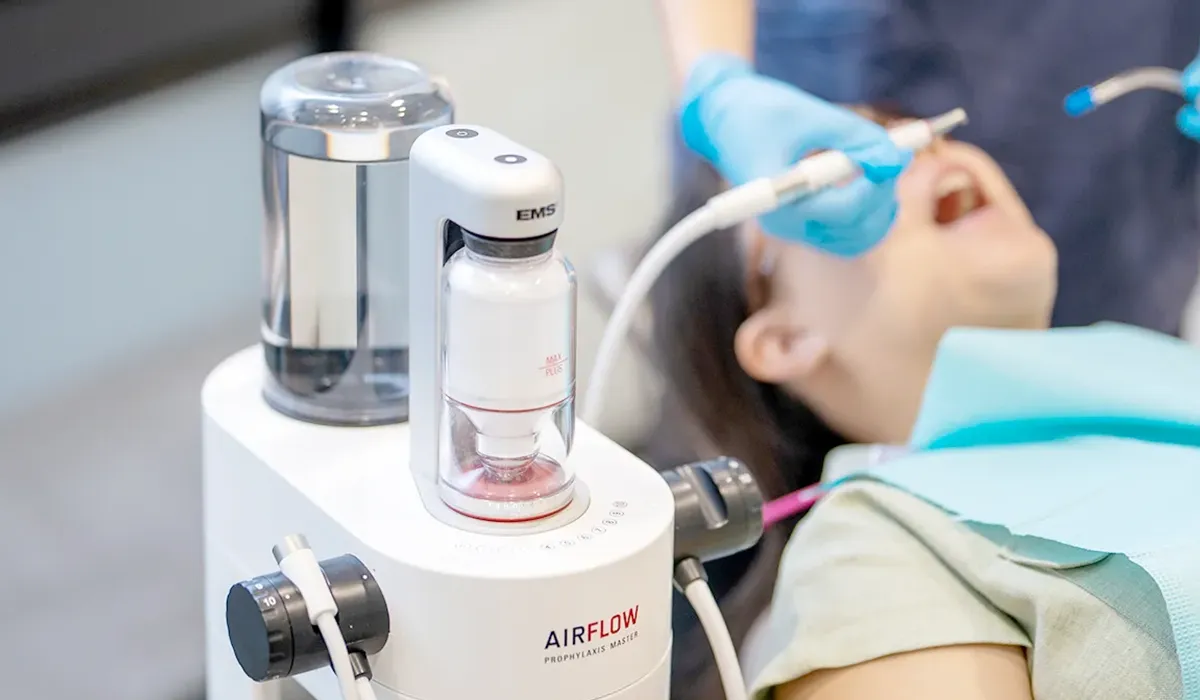
What happens below the gumline?
Healthy gums fit snugly around each tooth. Between the tooth and the surrounding gum tissue is a small space known as a periodontal pocket.
In healthy mouths, periodontal pockets are generally between 1 and 3 millimetres deep. They are easy to keep clean with good oral hygiene and routine professional care.
When bacteria remain around the gumline for extended periods, inflammation develops. The gums begin to pull away from the teeth, creating deeper pockets where more bacteria can accumulate.
Healthy pockets: 1 to 3 mm
At this stage, routine dental cleanings are usually sufficient to maintain gum health. The toothbrush, floss, and professional scaling instruments can effectively reach these areas.
Deeper pockets: 4 mm and beyond
Once pockets become deeper, cleaning becomes much more difficult.
Plaque hardens into tartar beneath the gumline, creating a rough surface that attracts additional bacteria. The infection may gradually spread deeper into the supporting tissues and bone around the teeth.
This process often occurs silently. Many people experience little or no discomfort until significant damage has already occurred.
To identify these changes, dentists use a periodontal probe to gently measure the depth of the pockets around each tooth. These measurements help determine whether a regular cleaning remains appropriate or if deeper treatment is needed.
Why gum disease often goes unnoticed
One of the challenges with gum disease is that it rarely causes dramatic symptoms in its early stages.
Unlike tooth decay, which often produces pain or sensitivity, gum disease tends to progress gradually. Many patients assume everything is fine because they can eat comfortably and do not have a toothache.
Meanwhile, inflammation may continue beneath the surface.
Early intervention is important because gum disease is far easier to manage before extensive bone loss occurs. Identifying the condition early can often help prevent more complex treatment in the future.
Time for a deep dental cleaning?
Your dentist will rely on clinical examinations and X-rays to assess your gum health, but there are several warning signs that may indicate deeper treatment is required.
Persistent bad breath
Bad breath that returns quickly after brushing or using mouthwash can be linked to bacteria trapped deep beneath the gums.
Bleeding gums
Occasional bleeding may occur if you have been inconsistent with flossing. Persistent bleeding, however, often indicates inflammation that requires professional attention.
Receding gums
If your teeth appear longer than they once did, gum recession may be occurring. This can expose sensitive root surfaces and signal underlying periodontal disease.
Visible tartar build-up
Tartar deposits along the gumline are often visible, but significant accumulation may also be hiding beneath the gums where it cannot be seen.
Evidence of bone loss on X-Rays
Dental X-rays can reveal changes that are not visible during a routine examination. Early bone loss around the roots of teeth is a strong indicator that more advanced periodontal treatment may be necessary.
Red, swollen, or tender gums
Healthy gums are generally firm and pink. Ongoing redness, puffiness, or tenderness can be a sign that bacteria are affecting the gum tissues.
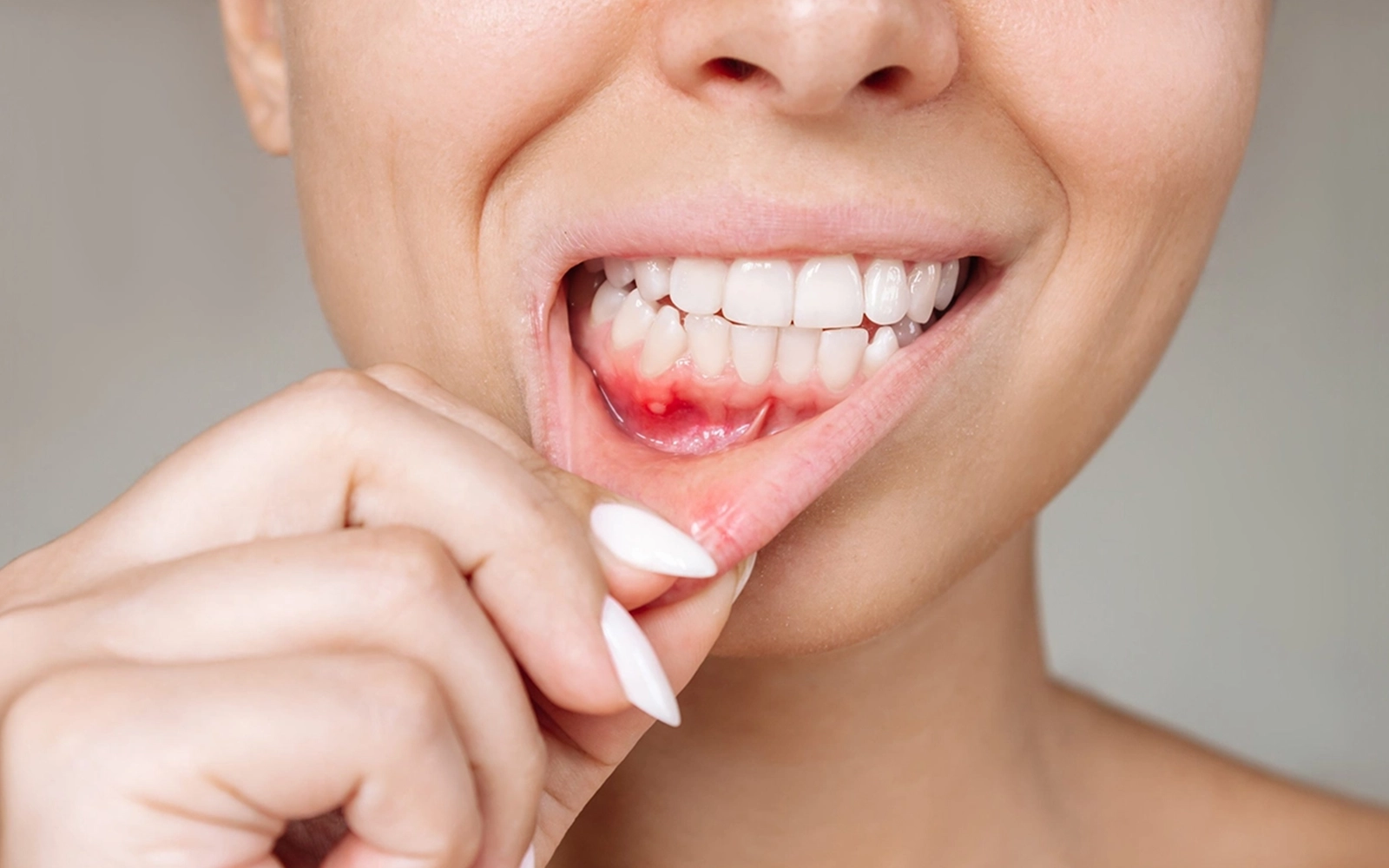
What to expect during a deep cleaning
Many patients feel anxious when they hear the term “deep cleaning.” In practice, the procedure is designed to be thorough, controlled, and as comfortable as possible.
Step 1: Gentle numbing for comfort
Local anaesthetic is commonly used to ensure the treatment area remains comfortable throughout the procedure.
Most patients report feeling pressure and movement rather than pain.
Step 2: Scaling below the gumline
Specialised instruments are used to carefully remove plaque, tartar, and bacterial deposits from the periodontal pockets around each tooth.
This stage focuses on eliminating the source of infection.
Step 3: Root planing
Once the deposits have been removed, the root surfaces are smoothed.
Bacteria tend to attach more easily to rough surfaces. Smoothing the roots helps reduce future bacterial accumulation and encourages the gums to reattach more closely to the teeth.
Splitting treatment into multiple visits
Deep cleaning is a more comprehensive treatment than a standard dental clean, requiring careful removal of plaque and tartar from beneath the gumline. For comfort and precision, it is typically completed over two appointments, with one side of the mouth treated at each visit.
Following treatment, mild tenderness or sensitivity is common for a few days, though most patients return to normal activities immediately.
Can a regular clean treat gum disease?
Even when you have no obvious symptoms, gum disease can continue to progress beneath the surface. Unfortunately, a routine clean only addresses areas above the gumline. It does not remove the infection hidden within deeper periodontal pockets.
Treating active gum disease with a surface cleaning alone is similar to painting over water damage without repairing the leak underneath. The visible surface may look better temporarily, while the underlying problem continues to worsen.
As gum disease progresses, the supporting bone around the teeth can gradually deteriorate. Teeth may become loose, shift position, or eventually require extraction. Addressing the problem early is generally simpler, more comfortable, and more cost-effective than treating advanced periodontal disease later.
A deep cleaning may sound daunting, but the procedure is performed under local anaesthetic to keep you comfortable throughout treatment. It’s an important step in treating gum disease and protecting your smile for years to come.
Maintaining your results after a deep clean
A deep cleaning removes the infection that’s already there, but keeping your gums healthy afterwards is a shared effort between you and your dental team. With consistent care at home and regular professional maintenance, many people successfully stabilise their gum health and keep it that way for years.
Strengthening your home care routine
Small adjustments can make a significant difference in controlling gum disease.
Helpful tools may include:
- Interdental brushes for cleaning between teeth
- Water flossers to help reduce bacteria around the gumline
- Antibacterial mouth rinses recommended by your dentist
- Electric toothbrushes that improve plaque removal
Consistency matters more than complexity. A simple routine performed well each day is often the most effective approach.
How your dentist helps
Even with excellent home care, some areas below the gumline are difficult to keep completely free of bacteria. Regular maintenance appointments help keep your gums stable and allow any changes to be addressed early.
Your dentist may recommend periodontal maintenance every three to four months, particularly during the first year after treatment. These visits allow your dental team to monitor healing, remove new plaque and tartar deposits, measure your gum health, and identify any areas that may need additional care before they become more serious.
Together, good home care and regular professional maintenance give your gums the best chance of staying healthy well into the future.

Saving your smile with dental cleaning
A regular dental cleaning remains one of the most valuable preventive treatments available. It helps maintain healthy teeth and gums, removes plaque before it causes damage, and supports long-term oral health.
There are times, however, when preventive care alone is no longer enough.
Deep cleaning goes beyond normal cleaning. It’s not a punishment for poor oral hygiene, nor is it an unnecessary upgrade to a standard appointment. It is a targeted treatment designed to stop gum disease in its tracks and protect the structures that keep your teeth strong and stable.
Many people are surprised to learn they need more than a routine clean. If that’s you, think of it as taking action before a small problem has the chance to become a much bigger one.
Regular dental visits, good home care, and early intervention remain the most effective tools for preventing gum disease and preserving your natural teeth for years to come. Taking action early gives you the greatest opportunity to maintain healthy gums and keep your natural teeth for life.