
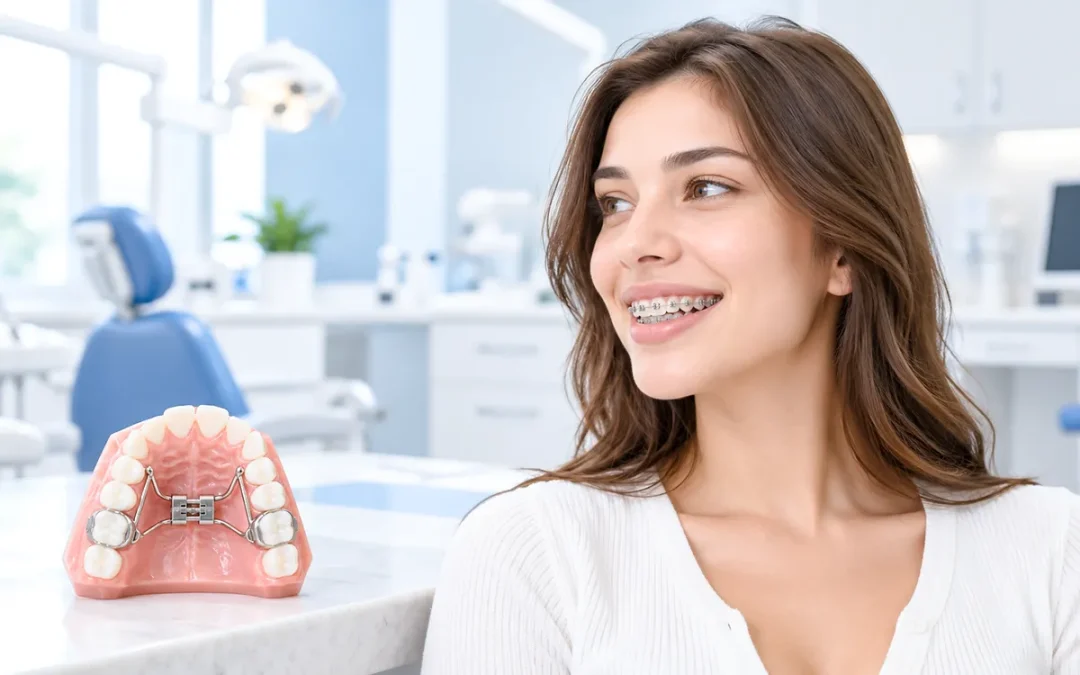
Facial aesthetics, jaw expansion and braces
When people think about orthodontic treatment, straight teeth are usually front of mind. Yet those teeth, straight or otherwise, are only part of the picture. Their position within the jaws can influence the way the lips, cheeks and smile come together.
For patients with a narrow upper jaw, treatment may involve more than simply moving crowded teeth. Jaw expansion can create a broader foundation for the upper teeth, while braces can refine their position and improve the relationship between the upper and lower arches.
These changes may also influence the appearance of the smile and, in some patients, aspects of facial balance. The extent of any change varies depending on age, facial development, jaw structure and the individual’s orthodontic needs.
It starts with the jaw
Straight teeth need the right foundation, and that starts with the jaw. The upper jaw, or maxilla, supports the upper teeth and helps shape the middle of the face. Its width influences the dental arch, the space available for the teeth and how the upper and lower teeth come together.
When the upper jaw is too narrow, there may not be enough room for the teeth to align naturally. This can contribute to crowding, a crossbite or a smile that appears relatively narrow.
A constricted upper arch may also mean that fewer teeth are visible towards the sides of the smile. Correcting the underlying width can therefore change more than the position of individual teeth.
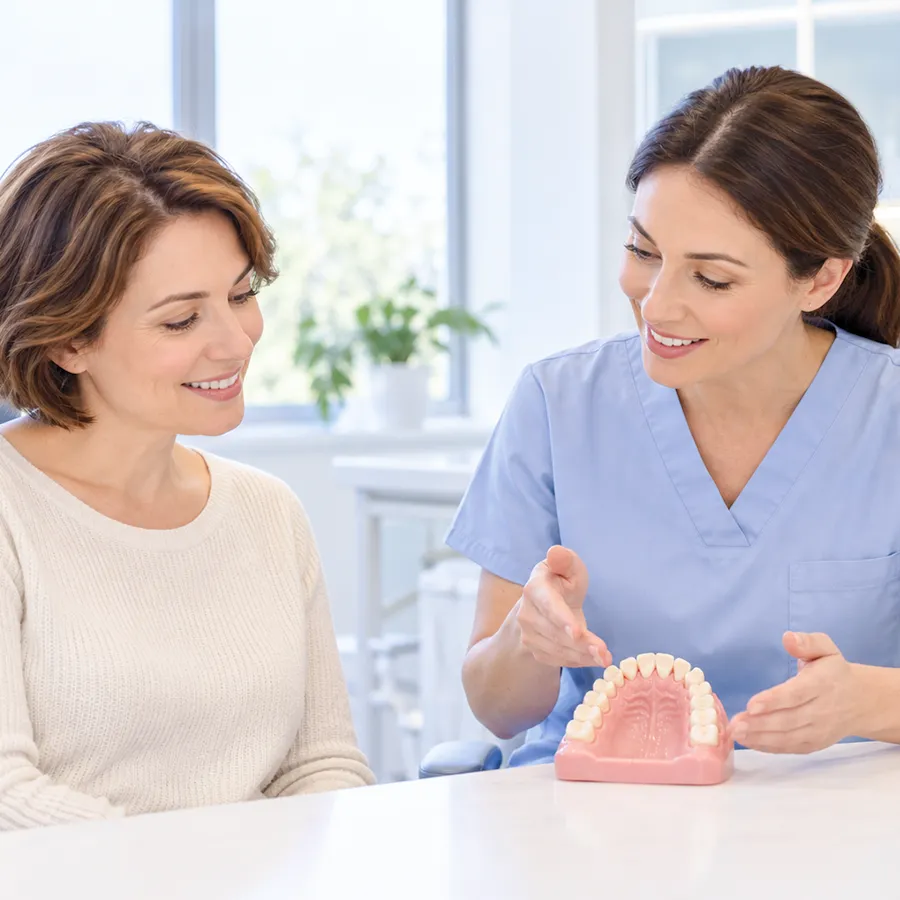
How expansion can create a broader smile
When you look at a smile from the front, the teeth don’t form a flat line — they curve back into the mouth. This can create shadowed spaces beside the teeth, towards the corners of the lips. These are called buccal corridors.
These shadowed spaces are a normal part of a smile, although their size varies naturally from person to person. When the dental arch is particularly narrow, the teeth may fill less of the smile from side to side, leaving more dark space visible towards the corners of the mouth.
When expansion is appropriate, widening the upper arch can help the teeth fill more of that space. This can reduce the shadows at the sides and create a broader, fuller-looking smile. Importantly, wider is not always better. The aim is to create an arch width that complements the patient’s facial proportions while supporting a healthy bite and long-term stability.
How expansion and braces work together
Expansion and braces often address different parts of the same orthodontic problem.
When the upper jaw is genuinely too narrow, expansion can address the underlying width rather than simply repositioning the teeth. In growing children and teenagers, certain types of palatal expanders can guide the developing upper jaw into a broader position, creating a better foundation for the teeth and bite.
For older teens and adults, the bones of the upper jaw are more mature. Selected patients may be suitable for miniscrew-assisted rapid palatal expansion (MARPE), which uses temporary miniscrews to help apply expansion forces to the surrounding bone.
The appropriate approach depends on age, skeletal maturity, anatomy and the nature of the bite. Expansion is not suitable or necessary for every patient.
Once the appropriate arch width has been established, braces can precisely position individual teeth.
They can address crowding, rotations and spacing while also coordinating the upper and lower arches. Braces can help establish a more functional bite, including the relationship between the front and back teeth.
This combination matters. A wider arch alone does not automatically create a balanced smile. The teeth also need to be positioned correctly within that foundation.
Can orthodontic treatment change your facial appearance?
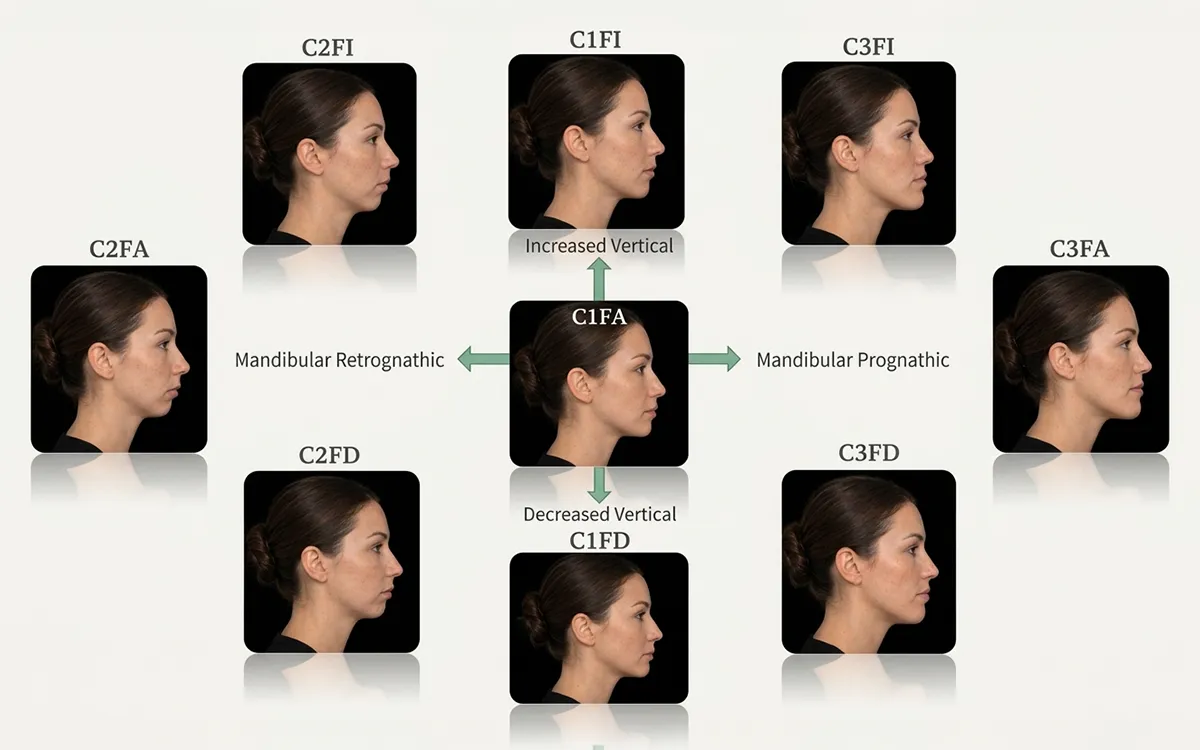
It can. Comprehensive orthodontic treatment is about more than straightening teeth. By considering the position of the teeth, the width and relationship of the jaws, and how these structures sit within the face, treatment can also influence the overall balance and appearance of the smile and facial features.
For example, changing the position of the upper teeth can affect how the lips are supported, while expanding a narrow upper jaw can create a broader smile and may produce subtle changes in the surrounding facial tissues.
Research has found measurable changes in certain facial soft tissues following maxillary expansion, particularly in growing patients. However, the extent of these changes varies from person to person, and expansion should not be viewed as a predictable way to reshape the face.
Rather, any aesthetic benefit comes from bringing the teeth, jaws and smile into better proportion with the individual’s existing facial features.
Why age matters
The timing of treatment can influence how expansion is performed.
In children and growing teenagers, the upper jaw is still developing, making skeletal expansion more achievable with conventional orthodontic appliances.
As growth progresses, the structures of the upper jaw become more resistant to conventional expansion. Older teenagers and adults may require alternative approaches, such as MARPE, or in some cases other treatment options.
An orthodontic assessment can determine whether the concern is primarily dental, skeletal or a combination of both. This distinction helps guide the most appropriate treatment.
Balancing a smile begins with good planning
Facial aesthetics should never be the sole reason for expanding a jaw.
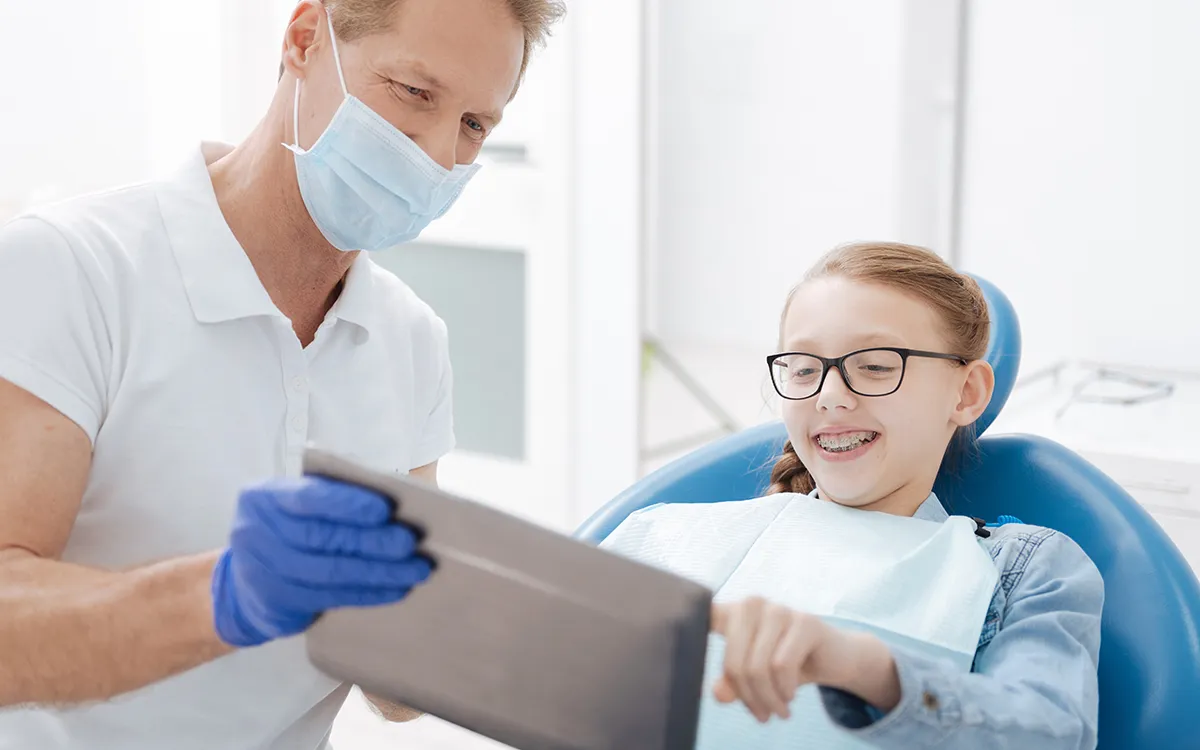
A thorough orthodontic assessment considers the width of the dental arches, the bite, facial proportions, tooth position and stage of growth. Digital scans, photographs and dental imaging may also be used to understand how these structures relate to one another.
The objective is controlled, appropriate movement rather than simply creating a wider smile.
A well-planned result should consider three things together: appearance, function and long-term oral health.
Looking beyond straight teeth
A great orthodontic result is about more than getting every tooth into line. It is about creating the right framework for the teeth, the bite and the smile to work together.
Where appropriate, expansion can address a narrow upper jaw and create the space and width the smile needs. Braces can then refine how the teeth sit within that framework. For some patients, the result is not only straighter teeth, but a broader-looking smile and better balance with the surrounding facial features.
The goal is not a wider jaw or a particular facial ideal. It is a smile that works, lasts and looks beautifully yours.
If you have a narrow smile, crowded teeth, a crossbite or concerns about the way your teeth and jaws fit together, speak with your dentist or orthodontic team. An assessment can help determine whether expansion, braces or another approach may be appropriate for your smile and oral health.
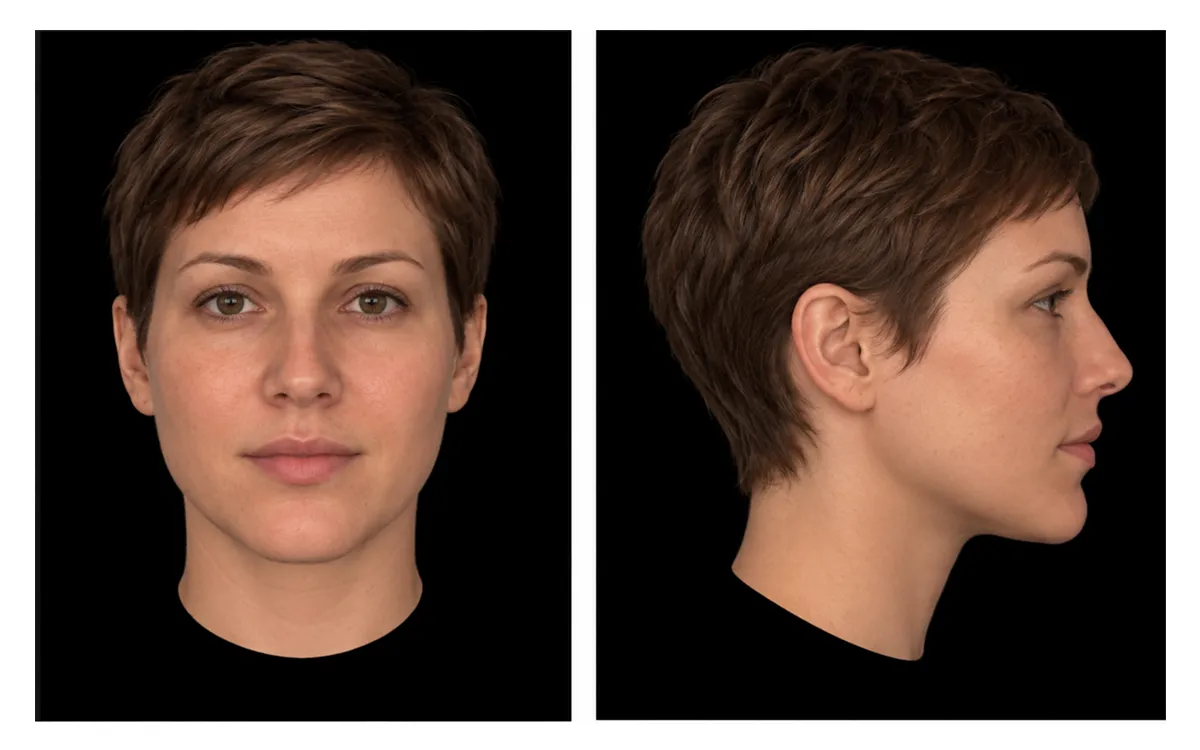
Chitre Carlisle, M., Botello-Escalante, J., Zhong, K. et al. Two-dimensional vs three-dimensional facial visualization: effects on perceived attractiveness, treatment need, and modality selection across sagittal and vertical facial patterns. Digit. Aligner Orthod. 1, 5 (2026). https://doi.org/10.1007/s44525-026-00007-3
Champion Dentistry. (2025). How orthodontic treatments can enhance your facial structure.
https://championdentistry.org/blog/orthodontic-treatments-enhance-facial-structure
Dentzz Dental. (2026). How braces can change your facial profile.
Govind, J. (2025). Orthodontic treatment and its influence on facial aesthetics: A comprehensive review of malocclusion, treatment modalities, and patient satisfaction. The International Journal of Comprehensive Health, Medicine, & Dentistry, 1, 30–58. https://doi.org/10.64950/ijchmd.19
Liu, C., Du, S., Wang, Z., Guo, S., Cui, M., Zhai, Q., Zhang, M., & Fang, B. (2024). Impact of orthodontic-induced facial morphology changes on aesthetic evaluation: A retrospective study. BMC Oral Health, 24(1), 24. https://doi.org/10.1186/s12903-023-03776-4
Orthodontics Australia. (n.d.). 3 ways braces change your appearance.
https://orthodonticsaustralia.org.au/3-ways-braces-change-your-appearance/