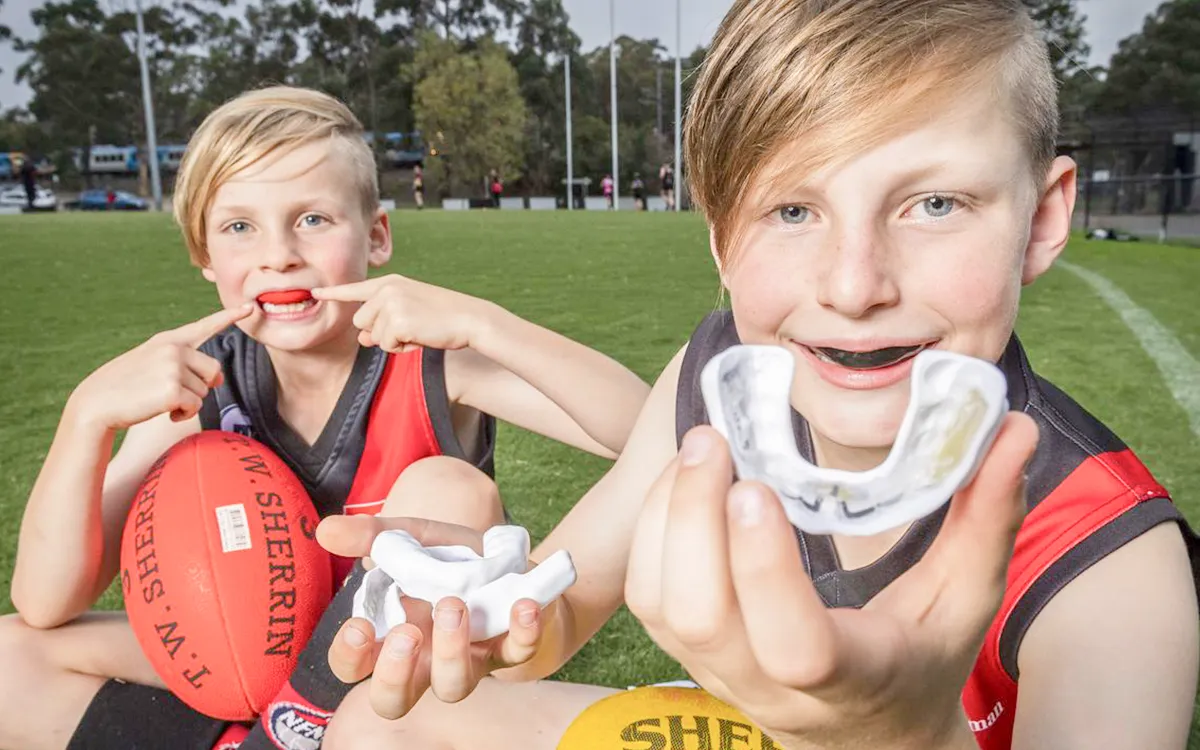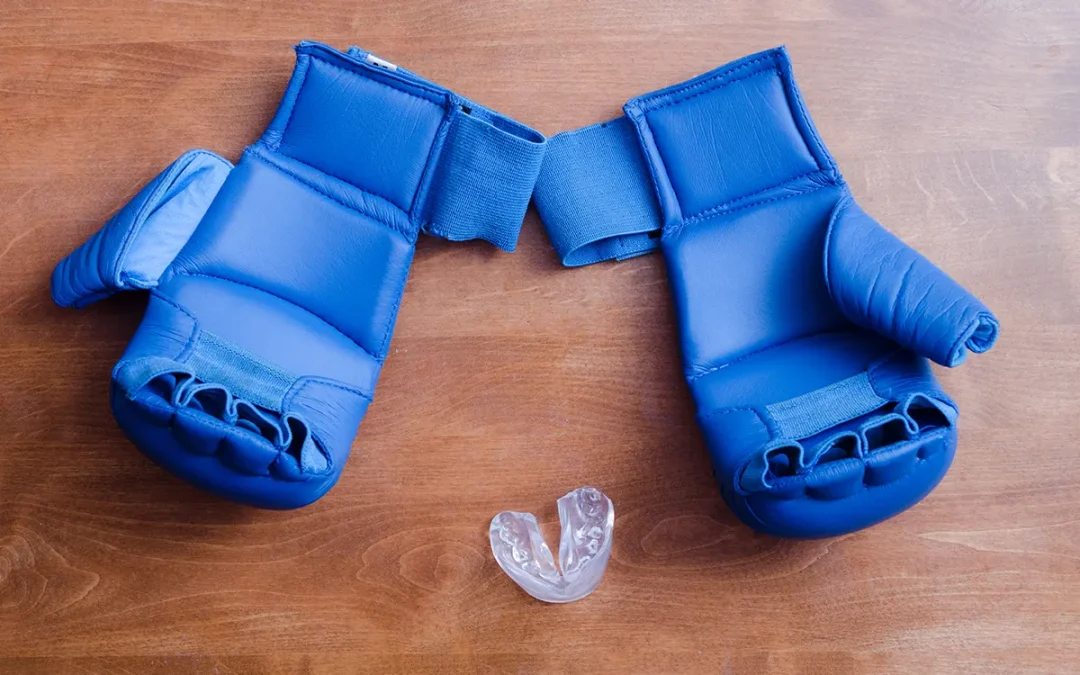
The mechanics of impact protection with custom mouthguards
Sport is built on impact. The same forces that drive performance and competition can also cause significant harm when the body is unprotected. It’s common to assume that a mouthguard simply prevents chipped teeth, yet a custom-fitted guard does far more. Acting like a crumple zone for the face, it absorbs and disperses force before it reaches vulnerable structures. It protects the teeth, jaw, and soft tissues — and in some impacts, may even help lessen the forces transmitted toward the brain.
As an athlete at any level, your custom mouthguard is one of the smartest investments in protection you can make. Stay in the game by learning about impact protection, and why custom-fit matters.
Mouthguard for what?
Mouthguards control impact before it controls the outcome. Engineered to sit securely over the teeth, a mouthguard absorbs and disperses force at the moment it matters most. This protective layer helps reduce the likelihood of dental fractures, tooth loss, jaw injury, and trauma to surrounding soft tissues.
While synonymous with contact sport, the need for protection extends far beyond it. Wherever movement is fast and falls are possible, risk follows. Choosing to wear a mouthguard is not just precautionary — it is a deliberate investment in long-term oral health.

Mouthguard types
Mouthguards generally fall into three categories:
Stock mouthguards are ready-made and inexpensive but bulky. They often fit poorly, making breathing and speaking difficult, and provide limited protection.
Boil-and-bite mouthguards soften in hot water and are moulded at home. They offer an improved fit compared to stock guards but still lack precision and consistency.
Custom mouthguards, made by a dentist from an accurate impression of your teeth, offer the highest level of protection. They fit securely, remain stable during impact, and are designed to distribute force evenly across the dental arch.
Why the ADA recommends custom mouthguards
Australia’s peak dental body, the Australian Dental Association (ADA), strongly advises athletes of all ages to use custom-fitted mouthguards. Professionally made guards offer superior comfort, durability, and protection compared to off-the-shelf alternatives. They are tailored to an individual’s bite alignment, dental anatomy, and specific sporting needs, and can accommodate braces, restorations, or other dental appliances.
When it comes to preventable sports-related dental injuries, custom mouthguards provide the most reliable defence, helping protect teeth, gums, and jaw structures while maintaining optimal comfort and performance during activity.
Sports-related oral injuries
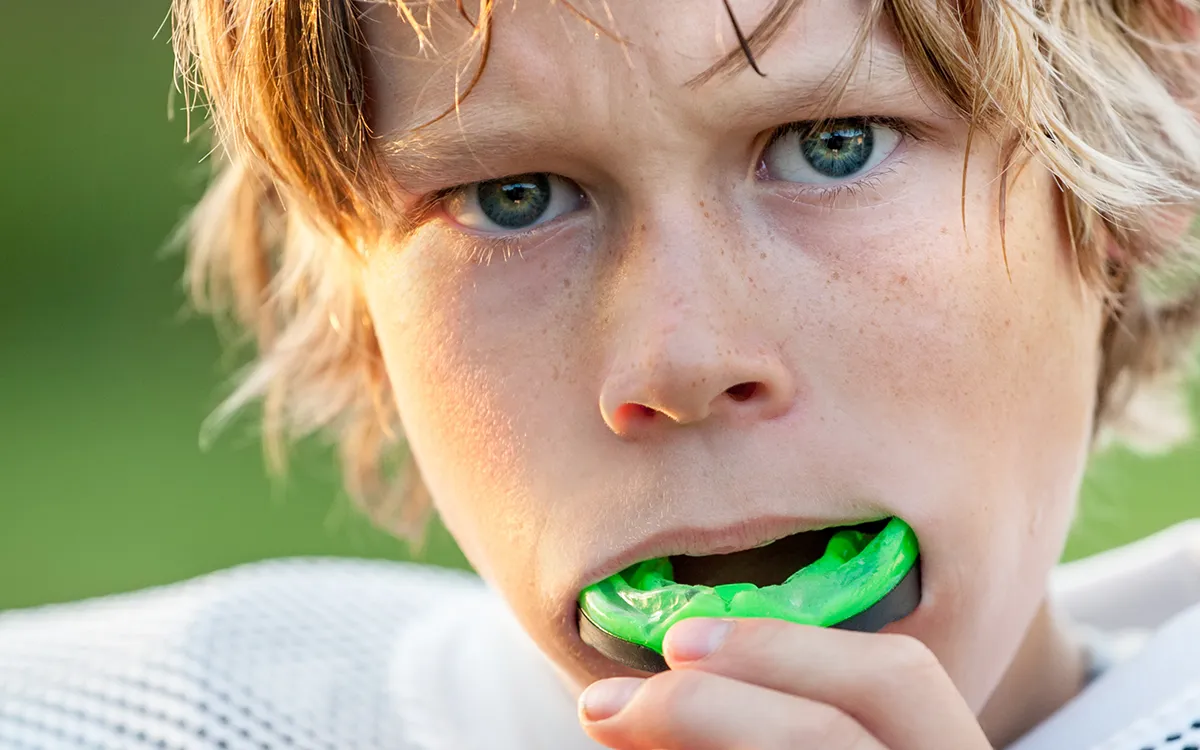
Sports-related injuries to the mouth are more common than many people think. Sports dental injuries involve damage to the teeth, jaw, and surrounding soft tissues, including the lips, gums, cheeks, and tongue. Injuries may be minor, such as small chips or cuts, but they can also be severe, involving knocked-out teeth or fractures of the jaw.
Sports with higher rates of oral injury include basketball, football, hockey, martial arts, and boxing, where physical contact, speed, and unpredictability are part of play. Even non-contact sports can pose risks through falls or equipment impact.
What builds risk for sports dental trauma
A few factors increase the likelihood of oral injuries during sport:
- Participation in contact or collision sports
- Rough or illegal play, particularly at amateur or social levels
- Dental characteristics such as protruding front teeth or poor lip coverage
- Increased risk among amateur athletes, where protective habits may be inconsistent
- Not wearing a mouthguard, or wearing one that fits poorly or moves during play
When several of these factors overlap, the risk of injury rises significantly.
How mouths get hurt in sports
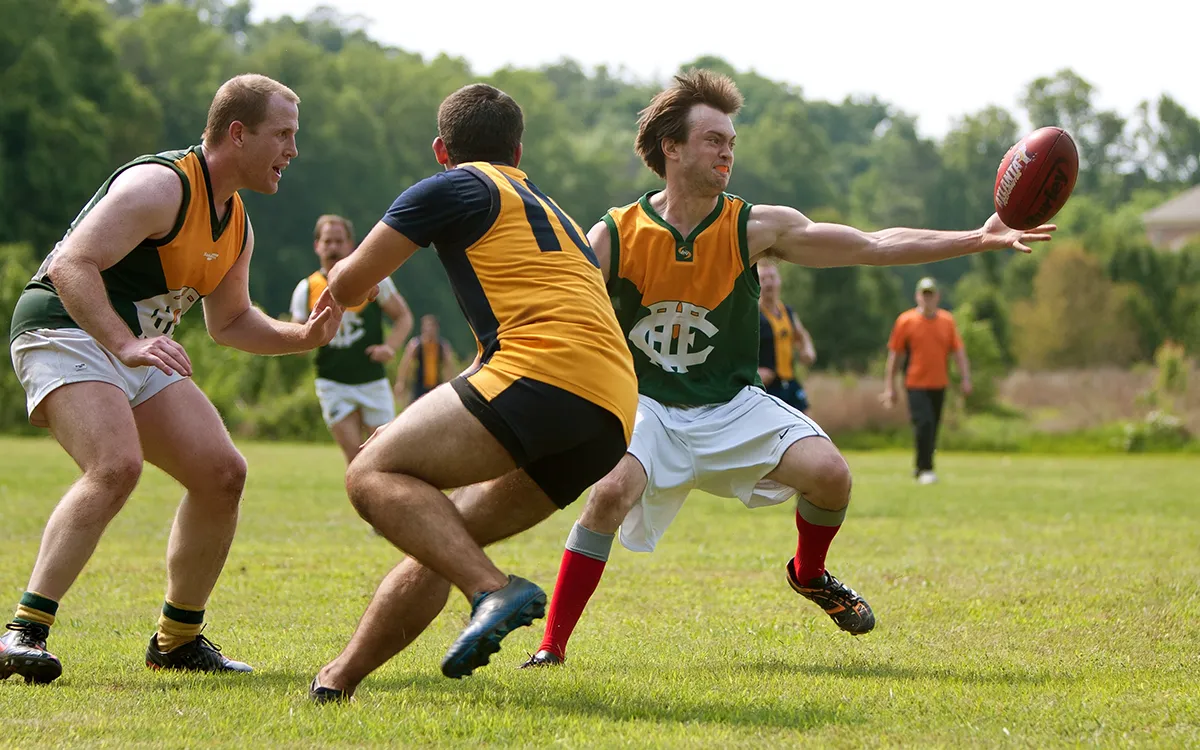
Dental trauma during sport often happens suddenly and without warning. Common causes include:
- Contact with other players, such as tackles, clashes, elbows, or accidental head knocks
- Impact from sporting equipment, including balls, bats, sticks, pucks, racquets, or surfboards
- Falls and collisions with the ground, court surfaces, fences, goalposts, or pool walls
- Combat and wheel sports, involving direct strikes in boxing or MMA, or crashes in cycling, skateboarding, skiing, and BMX
- Indirect blows to the jaw, such as a hit to the chin that forces the teeth together with considerable force
These mechanisms explain why injuries frequently affect both the teeth and the jaw at the same time.
Signs you can’t ignore
Not all dental injuries are immediately obvious. Signs that warrant professional assessment include:
- Bleeding from the mouth due to cuts or lacerations
- Swelling of the lips, gums, or face
- Chipped, loose, broken, or missing teeth
- Persistent pain or sensitivity
- Difficulty speaking, chewing, or opening the mouth, which may indicate jaw injury
Getting a dental evaluation is essential, even when damage appears minor.
The shock absorber effect
A custom mouthguard functions like a shock absorber for your teeth and jaw. Its layered design helps dissipate impact energy, reducing the force transmitted to the teeth, jawbone, and surrounding tissues. This cushioning effect is essential for preventing fractures, minimising tooth movement, and reducing strain on the temporomandibular joints (TMJ).
By stabilising the jaw during sudden impacts, a well-fitted mouthguard can also limit the forces transferred to the skull, providing an extra layer of protection for the entire facial structure.
How mouthguards protect teeth and the jaw
A properly fitted mouthguard provides protection beyond preventing chipped teeth. It:
- Stabilises the jaw, reducing the risk of fractures and joint injuries
- Helps keep teeth in position during impact
- Shields soft tissues from cuts caused by sharp tooth edges
- Reduces the severity of force transmitted through the jaw
This comprehensive protection is only achievable when the mouthguard fits precisely and remains secure during play.
Keeping your mouthguard game-ready
Proper care ensures your mouthguard continues to perform as intended:
- Rinse and gently clean it after every use
- Store it in a ventilated container
- Avoid heat exposure, which can distort its shape
- Inspect it regularly for wear or damage
- Have it checked during routine dental visits, especially for growing athletes
A poorly maintained guard cannot provide optimal protection.
Protect your smile, protect your game
Sports injuries to the mouth can have lasting consequences, but many are preventable. A custom mouthguard plays a critical role in protecting teeth, jaw structures, and soft tissues during impact. When combined with regular dental check-ups and diligent oral hygiene, it helps preserve both performance and long-term oral health.
Don’t skip this. If you’re in the game, protecting your smile should be part of your preparation. A visit to your dentist for a custom mouthguard is a simple step that can make a lasting difference. Save your smile and play on.