

Emergency dental care explained
A dental emergency can turn an ordinary day upside down. Along with the discomfort comes an important question: does it need immediate attention, or can it wait?
Not every dental concern is an emergency, but some require prompt treatment to relieve pain, control infection and prevent lasting damage. Recognising the warning signs can help you respond appropriately and avoid complications.
Importantly, some symptoms require emergency medical care rather than a dental appointment. If you experience difficulty breathing or swallowing, severe facial swelling or uncontrolled bleeding, seek immediate care at a hospital emergency department.
Here’s what to look out for, what you can do before seeing your dentist and when it may be safe to arrange a regular appointment instead.
5 signs you may need emergency dental care
Some dental problems should never be left untreated. If you experience any of the following, contact your dentist promptly for an assessment.
1. Severe or persistent toothache
A toothache that becomes increasingly painful, disrupts sleep or does not improve with appropriate pain relief may indicate an underlying problem.
Possible causes include deep tooth decay, an infected dental pulp (the soft tissue inside the tooth) or a dental abscess. Persistent or throbbing pain should be assessed promptly, even if it temporarily settles.
2. Swelling around the face, jaw or gums
Swelling in the gums, cheeks or jaw may indicate infection or inflammation. It can occur alongside tenderness, redness, fever or an unpleasant taste in the mouth.
A dental abscess is one possible cause and requires prompt treatment. If swelling is accompanied by difficulty breathing or swallowing, seek emergency medical care immediately.
3. A knocked-out, loose or displaced tooth
Dental injuries can happen during sports, accidents or everyday activities. A tooth that has been knocked out, loosened or moved out of position needs urgent assessment.
If an adult tooth is knocked out:
- Pick it up by the crown, avoiding contact with the root.
- Gently rinse it with milk or saline if dirty. Do not scrub it.
- If possible, carefully place it back into its socket without forcing it.
- If this is not possible, keep it in milk or a suitable tooth preservation solution.
- Seek emergency dental care immediately.
A knocked-out permanent tooth has the best chance of being saved when treated as quickly as possible, ideally within 30 minutes. Baby teeth should not be replanted, but dental assessment is still important.
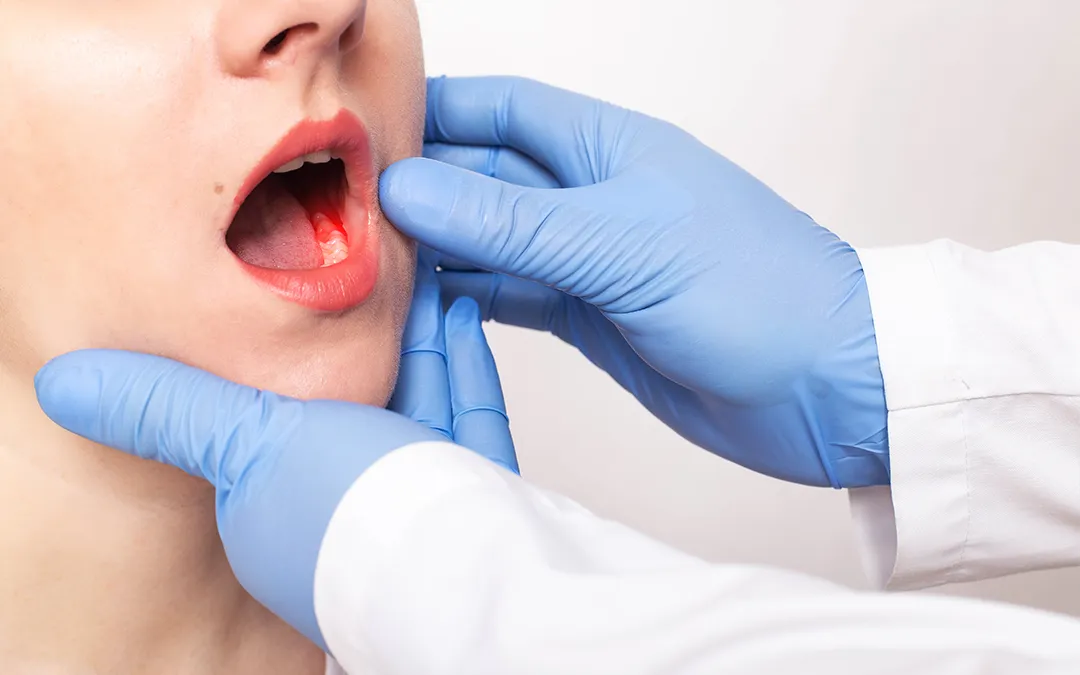
4. Bleeding that does not stop
Bleeding following an oral injury or dental procedure can sometimes occur. However, heavy or persistent bleeding that does not settle with firm, consistent pressure needs urgent attention.
Apply clean gauze to the affected area and maintain pressure. If bleeding continues or is particularly heavy, seek urgent medical or dental care.
5. Signs of a dental infection
Dental infections can develop when bacteria enter the inner tissues of a tooth or surrounding gums. Without treatment, an infection may spread and cause more serious complications.
Common warning signs include:
- A pimple-like swelling on the gums
- Pus or an unpleasant taste in the mouth
- Pain when biting or chewing
- Fever or feeling generally unwell
- Tender or swollen lymph nodes
A suspected dental abscess needs prompt professional treatment, even if the pain temporarily disappears.
What dental problems can wait for a regular appointment?
Some dental concerns may not require emergency treatment, provided there is no severe pain, swelling or other concerning symptom.
These include:
- Mild sensitivity to hot, cold or sweet foods
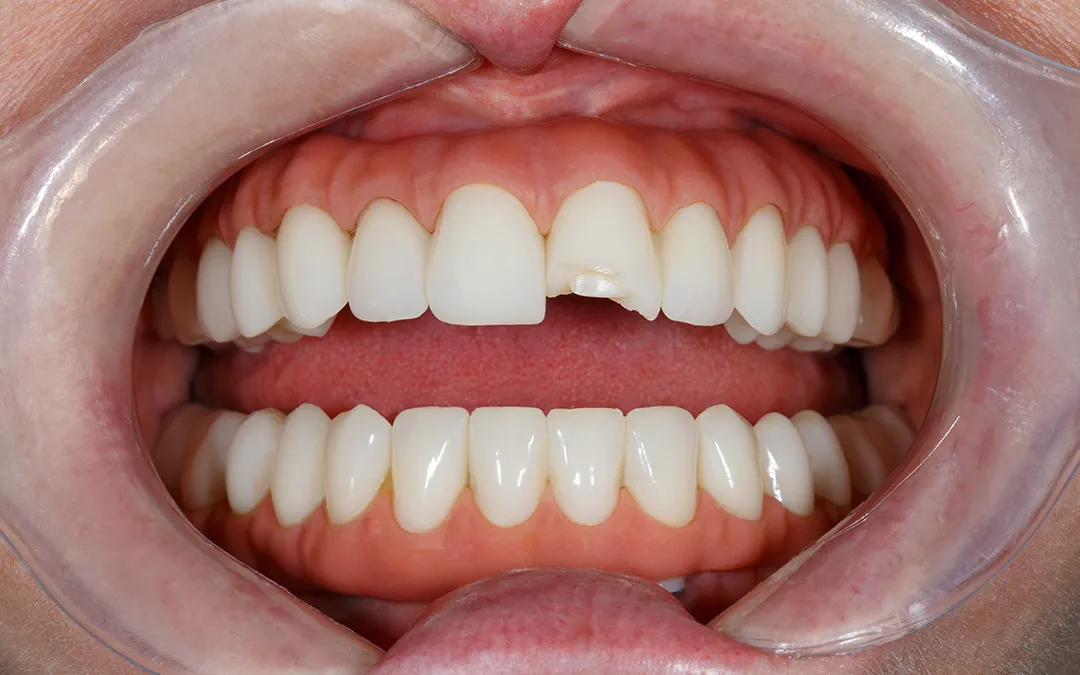
- Small chips or cracks without significant pain
- Food trapped between teeth
- Occasional dull toothache
- A lost filling or crown without pain
These problems should still be checked by a dentist. A damaged tooth or missing restoration can become more vulnerable to further complications if left untreated.
If symptoms worsen or new concerns develop, contact your dentist for an earlier assessment.
What to do while waiting for dental care
If immediate treatment is not available, a few simple measures may help manage discomfort and protect the affected area.
- Rinse gently with warm salt water: This may help soothe irritated gums and keep the mouth clean.
- Apply a cold compress: Hold it against the outside of your cheek for short intervals to help manage swelling.
- Keep the area clean: Brush gently and avoid disturbing injured tissues.
- Avoid chewing on the affected side: Choose softer foods and avoid anything that triggers sensitivity.
- Use appropriate pain relief: Follow the product instructions and seek professional advice if you are unsure what is suitable.
These measures are temporary and do not replace professional treatment. Avoid placing aspirin or other pain medication directly against your teeth or gums.

Why early treatment makes a difference
Delaying dental treatment can allow an otherwise manageable problem to become more complicated. An untreated infection may spread, while a damaged tooth may become increasingly difficult to restore.
Depending on the underlying concern, your dentist may recommend treatment such as:
- Managing pain and inflammation
- Treating or draining an abscess
- Root canal treatment to remove infected tissue
- Stabilising or repositioning an injured tooth
- Repairing damaged teeth with an appropriate restoration
Treatment will depend on the diagnosis and individual needs. The priority is to address the underlying problem, protect the affected tooth and prevent further complications.

Prevention can save a lot of pain
Not every dental emergency can be prevented, particularly when accidents are involved. However, consistent oral care can reduce the risk of many common dental problems.
Brush twice daily with fluoride toothpaste, clean between your teeth every day and attend regular dental check-ups. Wearing a properly fitted mouthguard during contact sports can also help protect your teeth from injury.
Most importantly, do not overlook smaller concerns. Persistent sensitivity, minor cracks and damaged fillings are easier to assess before they develop into more serious problems.
Knowing when to seek emergency dental care is an important part of looking after your oral health. If something feels unusual, painful or concerning, contact your dental clinic for guidance. Combined with regular dental visits and diligent daily hygiene, timely attention can help keep your teeth and gums healthy for the longest time.