

5 signs you may need root canal therapy
Persistent tooth pain shouldn’t be ignored. While minor sensitivity or momentary irritation may cause a little dental discomfort, unpleasant sensations that stick around or just keep coming back can point to a deeper issue within the tooth itself.
Root canal treatment is designed to remove infection from inside the tooth, relieve discomfort, and preserve the natural structure whenever possible. Modern techniques and advanced dental technology have made the process far more comfortable and precise than many people expect.
The challenge is recognising the warning signs early. In many cases, the body provides subtle indicators long before a problem becomes severe. Seeking professional assessment at the right time can help prevent worsening infection, swelling, or even tooth loss.
Here are five common signs that may indicate it is time to book a root canal assessment.
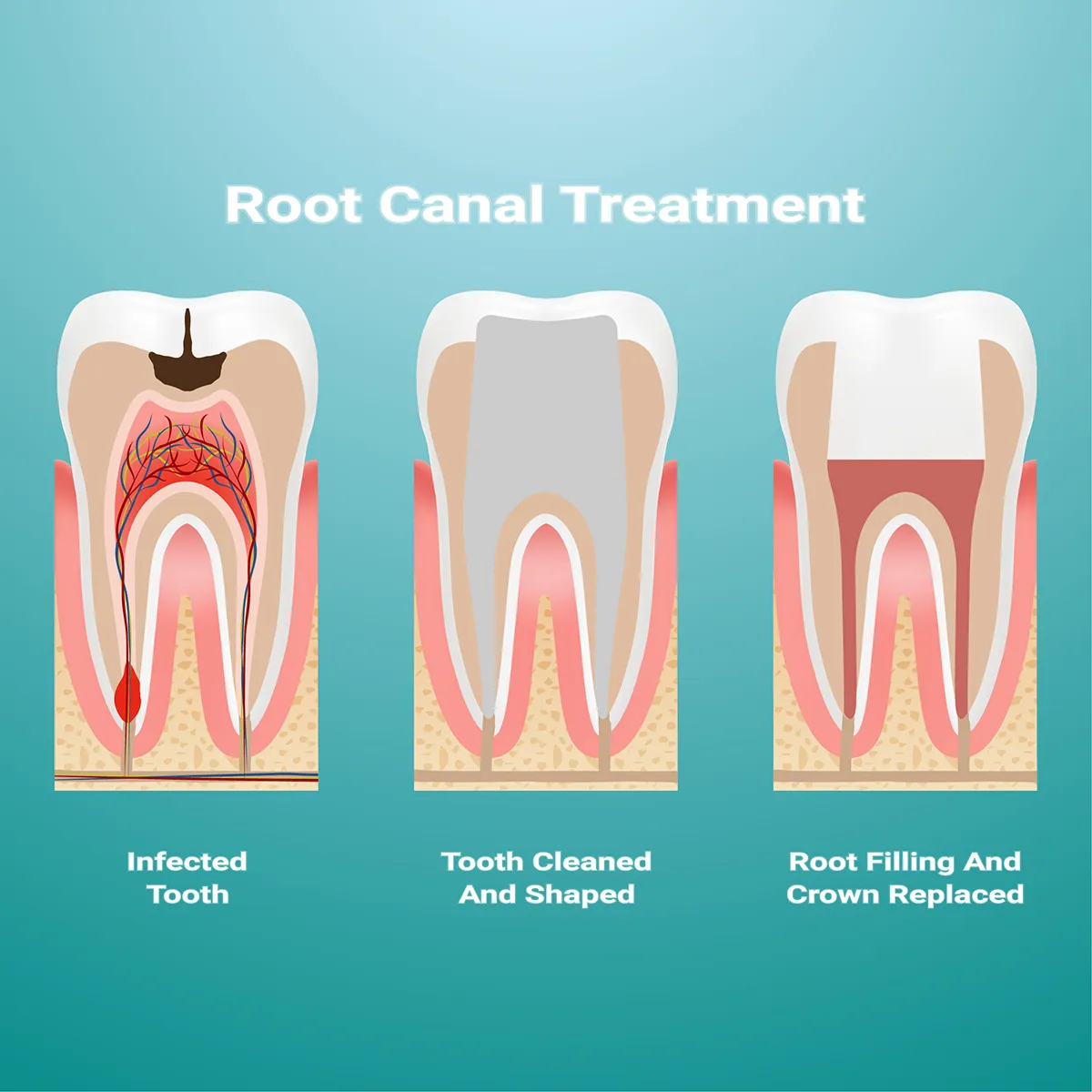
1. Lingering sensitivity to hot or cold
Occasional sensitivity is relatively common, particularly after consuming very cold drinks or sweet foods. A brief “zing” that fades quickly is often linked to exposed dentine, worn enamel, or gum recession.
A different type of sensitivity deserves closer attention.
If discomfort lingers for several seconds or longer after exposure to heat or cold, this may indicate inflammation or damage within the dental pulp. The pulp is the soft inner tissue that contains nerves and blood vessels. When it becomes irritated or infected, temperature changes can trigger a deeper, more persistent ache.
Hot drinks may become particularly uncomfortable, while ice-cold foods can create sharp or throbbing pain that does not settle immediately. Over time, symptoms often become more frequent and more intense.
Early assessment is important, as untreated pulp inflammation can eventually progress to infection.

2. Persistent toothache or spontaneous pain
Ongoing pain that develops without an obvious cause can be a clear indicator of internal tooth infection. It’s important to get help and not just wait it out, because the longer it goes on, the worse it can become.
This discomfort may present as:
- A constant dull ache
- Throbbing pain
- Sudden sharp sensations
- Pain that radiates into the jaw, ear, or surrounding teeth
Some people notice the discomfort becomes worse at night or when lying down. Changes in posture can increase pressure within the tooth, making symptoms feel more intense.
Pain may also fluctuate from day to day, creating the false impression that the issue is resolving on its own. In reality, infection inside the tooth can continue progressing silently even when symptoms temporarily settle.
Persistent tooth pain should always be professionally evaluated, particularly if it interferes with sleep, concentration, eating, or daily comfort.
3. Swelling or changes in the gums
Your gums can often show early signs that a tooth may be infected.
You may notice:
- Swelling near a specific tooth
- Tenderness in the surrounding gum tissue
- A small pimple-like bump on the gums
- A salty or unpleasant taste in the mouth
- Occasional discharge near the area
This bump, sometimes called a dental abscess or gum boil, can indicate that infection is attempting to drain from the tooth.
Importantly, swelling is not always painful. Some dental infections progress quietly, with only mild tenderness or intermittent symptoms. Even if discomfort seems manageable, infection can spread to surrounding tissues if left untreated.
Prompt assessment allows the dentist to identify the source of the problem and recommend appropriate treatment before complications develop.

4. Tooth discolouration that was not there before
If one tooth starts becoming darker than the others, it may be a sign that the inside of the tooth has been damaged.
Healthy teeth usually stay a similar colour. A tooth turning grey, brown, or dark yellow can sometimes mean the nerve inside the tooth has been injured or is no longer healthy.
This change may occur after:
- Previous dental trauma
- A crack or fracture
- Deep decay
- Long-standing infection
In some cases, the tooth may no longer be painful because the nerve tissue inside has already lost vitality. Even without active discomfort, the tooth may still require treatment to prevent infection from spreading around the root.
Discolouration is often overlooked as purely cosmetic, yet it can be an important diagnostic sign that should not be ignored.
5. Pain when biting or applying pressure
If chewing or biting causes discomfort, it may be a sign that inflammation or infection has spread beyond the tooth and into the tissues around the root. This can make the tooth feel sensitive to pressure.
You may notice:
- Sharp pain when biting down
- Tenderness when chewing certain foods
- Sensitivity when touching the tooth
- A feeling that the tooth is “raised” or different from neighbouring teeth
Deep infection, cracks, fractures, or advanced decay can all contribute to these symptoms.
If chewing becomes uncomfortable, professional assessment can help determine whether the tooth can be stabilised and preserved before more extensive damage occurs.

Why early assessment matters
Dental infections rarely resolve without treatment. Symptoms may temporarily improve, yet the underlying issue can continue progressing beneath the surface.
Delaying care may increase the risk of:
- Severe pain
- Facial swelling
- Spread of infection
- Tooth fracture
- Tooth loss
- More complex treatment needs
A root canal assessment allows the dentist to examine the tooth thoroughly using clinical evaluation and diagnostic imaging. Modern dentistry often incorporates digital X-rays, intraoral scanning, and advanced imaging technologies to assess the health of the tooth with greater precision and comfort.
Importantly, not every painful tooth requires root canal therapy. Some symptoms may stem from gum disease, cracks, bite issues, or reversible inflammation. Professional diagnosis ensures the most appropriate treatment approach is recommended.
Infected teeth need early action
Teeth are incredibly strong, but they cannot heal internal infections on their own. Ignoring the early warning signs can allow the problem to worsen over time, leading to more pain, more damage, and more complex treatment.
Persistent sensitivity, swelling, discolouration, or pain when chewing should never be something you simply “put up with.” Early treatment can help relieve discomfort, prevent complications, and improve the chances of saving the natural tooth.
Good oral hygiene also plays an important role in prevention. Regular dental check-ups, professional cleans, daily brushing and flossing, and addressing problems early can all help keep your teeth and gums healthy long term.
If you are noticing any of these symptoms, don’t wait for them to become more severe. Book a professional dental assessment to identify the cause early and protect your smile, comfort, and overall oral health.
* Any surgical or invasive procedure carries risks. Before proceeding, you should seek a second opinion from an appropriately qualified health practitioner.