
What a dental check-up really does today
The routine dental check-up is often viewed as a simple obligation. A brief appointment to clean the teeth and confirm that everything is “fine”. In a modern clinical setting, this perception is a little out of date. Today, there’s more happening at your check-up than you may realise.
Today’s dental visit is a structured, data-informed health assessment. It combines detailed diagnostics, preventive science, and whole-body considerations to detect subtle changes long before symptoms appear. This shift transforms the check-up from reactive maintenance into proactive healthcare.
This clinical evolution fundamentally changes the value of the appointment. Beyond simply preserving teeth, the focus shifts to protecting long-term health, function, and quality of life.
The diagnostic shift
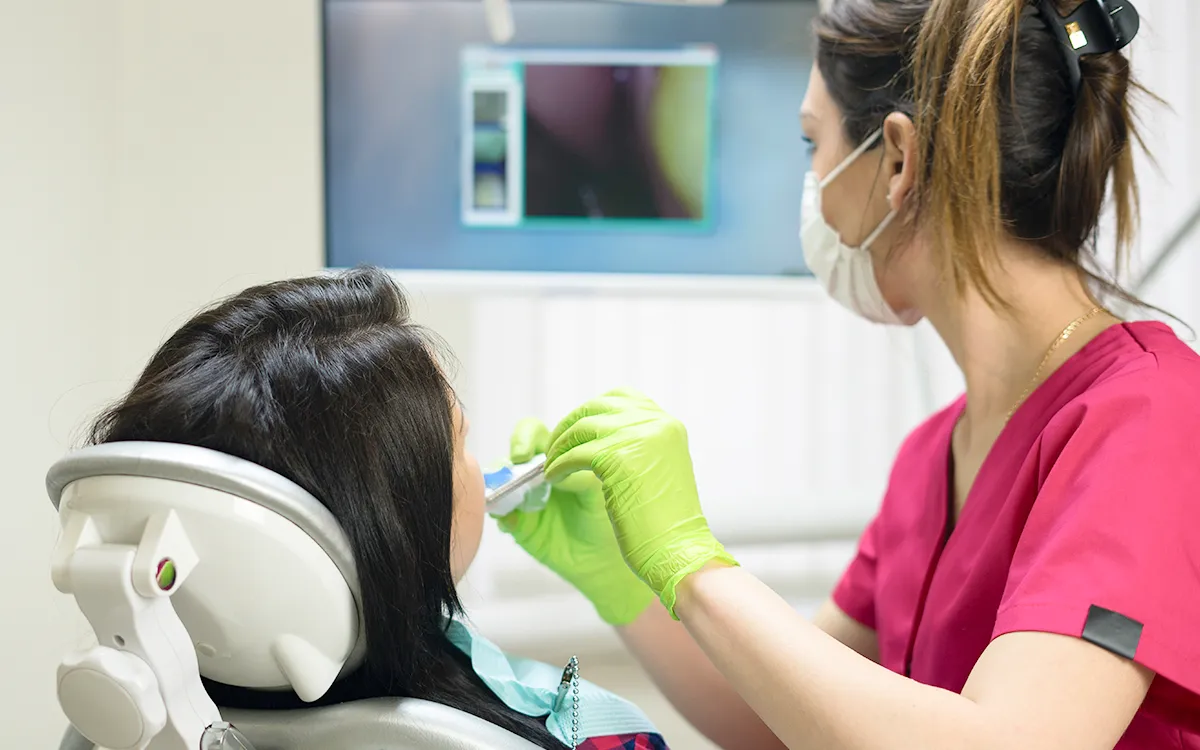
Traditional exams relied on what was visible to the naked eye. Modern dentistry extends far beyond this limitation. High-resolution intraoral cameras now allow clinicians to magnify and document areas of concern, including early enamel fractures and microscopic decay.
These images also improve patient understanding. Seeing the condition of one’s own teeth fosters clarity and supports informed decisions.
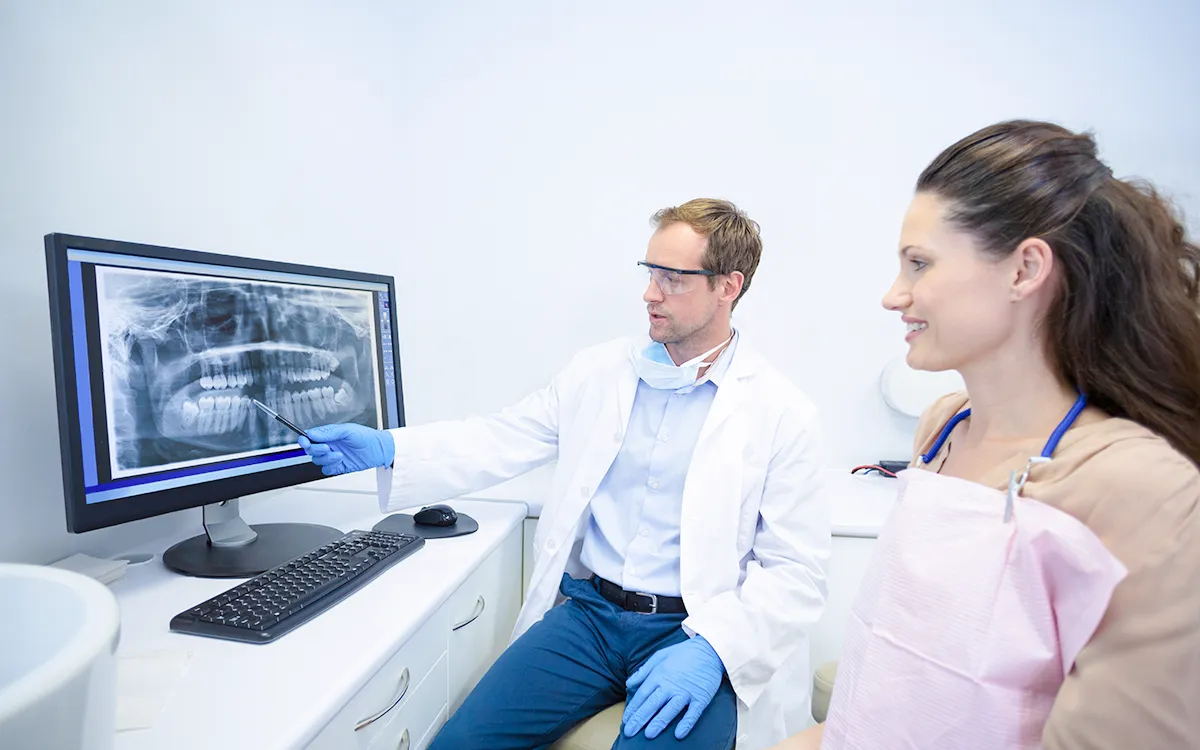
CBCT (Digital Cone Beam Computed Tomography ) Digital scans and 3D imaging technologies provide a comprehensive view of the oral environment. The structure of teeth, bone levels, and bite relationships can be analysed with remarkable accuracy.
This level of detail supports early risk detection. Subtle structural imbalances or areas of stress can be identified and monitored over time, allowing intervention before damage progresses.
A thorough check-up includes a soft tissue examination of the lips, tongue, cheeks, and throat. This screening is essential for identifying abnormal lesions or early signs of oral cancer. Dentists are often the first health professionals to identify these changes.
When detected early, outcomes improve significantly. This aspect alone elevates the dental check-up from routine to potentially life-saving.
Managing the oral microbiome
Daily brushing and flossing are essential, yet they cannot fully remove hardened deposits known as calculus. Professional scaling is required to eliminate these bacterial accumulations.
Left undisturbed, this biofilm acts as a reservoir for harmful bacteria, contributing to decay and gum disease.
Oral bacteria do not remain confined to the mouth. Chronic inflammation in the gums has been associated with broader health concerns, including cardiovascular conditions and impaired blood sugar regulation.
Reducing the bacterial load through professional cleaning contributes to systemic balance, not just oral health.
Periodontal probing measures the depth of the spaces between teeth and gums. These readings form a baseline that allows dentists to track changes over time.
Small variations can indicate early gum disease, often before discomfort is present. This enables timely, conservative intervention.
Screening the whole patient
Dentists are often among the first to notice signs linked to sleep-disordered breathing. Worn enamel, scalloped tongue edges, or a narrow palate may indicate underlying airway concerns.
Early identification can lead to appropriate referrals and improved sleep quality, which plays a critical role in overall health.
The temporomandibular joint (TMJ) is assessed for function, alignment, and signs of strain. Tension, clicking, or restricted movement may reflect bite imbalances or stress-related habits such as clenching.
Addressing these issues early can prevent chronic discomfort and functional limitations.
Changes in general health or medications can directly influence the oral environment. Reduced saliva flow, for example, increases the risk of decay and irritation.
A thorough review ensures that preventive strategies remain aligned with the patient’s current health status.
Steps to optimised oral health
The traditional six-month interval remains a useful guideline, yet it is not universally appropriate. Some patients require more frequent care due to higher risk factors, while others may maintain stability with less frequent visits.
Personalised scheduling reflects a more precise and responsive approach to care.
Preventive treatments such as fluoride applications and fissure sealants provide additional protection against acid erosion and decay. These measures are particularly valuable for patients with elevated risk profiles.
They serve as a reinforcement layer, preserving natural tooth structure.
Fillings, crowns, and implants are carefully assessed during each visit. The integrity of their margins and surrounding tissues determines their longevity.
Early detection of minor wear or leakage allows for simple adjustments rather than complex replacements.
Conservative interventions for outsized benefits
Dental conditions rarely remain static. What begins as a minor issue can progress into extensive damage if left untreated.
Early intervention allows for more conservative care. Treatment is simpler, less invasive, and more predictable when problems are addressed at the earliest stage.
The long-term goal of modern dentistry is to maintain natural teeth wherever possible. Each proactive check-up contributes to this outcome by reducing the need for aggressive procedures.
This philosophy prioritises preservation over replacement.
Comprehensive self-care means regular check-ups
Your routine dental check-up may be routine, but it is far from basic. It is a comprehensive evaluation that brings together precision diagnostics, preventive care, and a broader view of your health.
The outcome of your visit extends beyond clean teeth. Seeing your dentist regularly enables early, conservative care, helping preserve natural structures and avoid more complex treatment later.
When you support your regular check-ups with daily habits like brushing, flossing, and balanced routines, you optimise your oral health for life. If it has been a while since your last check-up, now is the right time to book a time. This simple self-care helps build a life of lasting health.