How parents build strong foundations for kids’ smiles
From the first tiny tooth to the confident smiles of school years, a child’s oral health journey is shaped early. Each stage brings new developments, along with concerns that can feel difficult to interpret without guidance.
Understanding what is normal, what requires attention, and how to respond with confidence helps parents support not only healthy teeth, but also a positive lifelong relationship with dental care.
Why baby teeth matter more than you think
Primary teeth are often underestimated. They play a critical role in speech development, nutrition, and guiding permanent teeth into position.
They also hold space for incoming permanent teeth. When a baby tooth is lost too early, nearby teeth can shift into the gap, potentially leading to crowding or misalignment.
Early loss due to decay or trauma can affect spacing, chewing efficiency, and even self-confidence. Healthy baby teeth support proper jaw development and reduce the likelihood of more complex orthodontic concerns later.
Protecting these early teeth is not temporary care. It is foundational.
Most common childhood dental issues
Tooth decay (early childhood cavities)
Tooth decay remains one of the most common chronic conditions in children. It develops when sugars interact with bacteria in the mouth, producing acids that weaken enamel.
Australian data from 2012–14 shows that around 2 in 5 or 42% of children had experienced decay in their primary teeth, while 1 in 4 or 24% had decay in their permanent dentition. This highlights how early and widespread the issue can be.
Frequent snacking, sugary drinks, and inadequate brushing increase risk. The frequency of sugar exposure, rather than the amount alone, plays a significant role in how decay develops. Early signs may appear as white spots or discolouration before progressing to visible cavities.
Early intervention preserves tooth structure and prevents discomfort or infection.
Gum irritation and early gum disease
Red, swollen, or bleeding gums are often linked to plaque build-up. While more commonly associated with adults, children can also develop early-stage gum disease (gingivitis) when oral hygiene is inconsistent.
Gentle but thorough brushing, along with supervision during early years, helps maintain healthy gums and prevent progression.

Alignment and bite concerns
As children grow, the positioning of teeth and jaws becomes more apparent. Crowding, spacing issues, and bite irregularities may develop gradually.
Habits such as prolonged thumb sucking, pacifier use, or mouth breathing can influence alignment. An orthodontic assessment is often recommended around the age of seven, when early signs of alignment or jaw concerns can be identified. Early assessment allows for timely guidance, often reducing the need for more complex treatment later.
Teething discomfort
Teething is a natural developmental phase, often accompanied by irritability, drooling, and mild gum discomfort.
Safe relief methods include chilled teething rings and gentle gum massage. Teething does not typically cause high fever or severe illness. If these symptoms are present, further medical advice may be needed. Monitoring ensures symptoms remain within expected limits.
Prevention that makes a lasting difference
Fluoride protection
Fluoride strengthens enamel and increases resistance to decay. When used in appropriate amounts for a child’s age, fluoride is both safe and effective in protecting developing teeth. Age-appropriate toothpaste and professional applications, when recommended, provide an added layer of protection.
Dental sealants
Dental sealants are thin protective coatings applied to the chewing surfaces of molars. These areas are particularly prone to decay due to deep grooves that are difficult to clean.
Dental sealants act as a barrier, reducing the risk of cavities during the cavity-prone years.
Regular dental visits
Routine check-ups allow early detection of developing issues. Professional cleaning removes plaque build-up that brushing alone may miss.
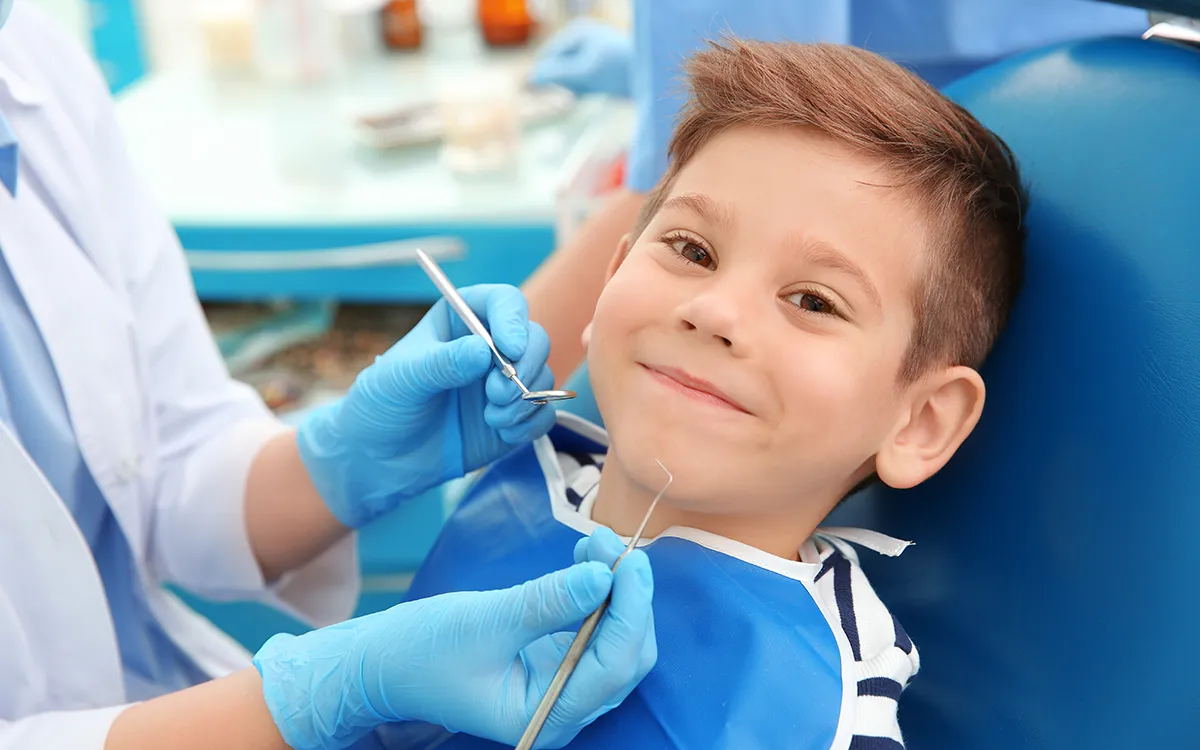
A child’s first dental visit is generally recommended by their first birthday or when the first tooth appears. Consistent visits help children become familiar with the dental environment, reducing anxiety and building trust over time.
Strong habits at home
Effective oral care begins with simple, consistent routines.
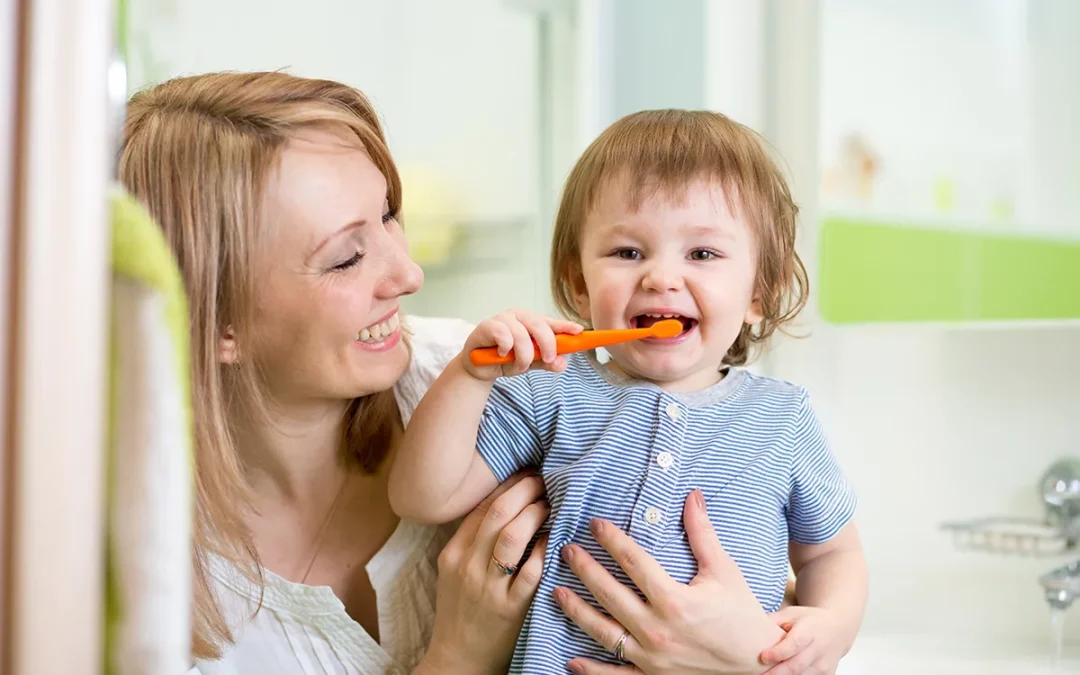
- Brush twice daily using a soft-bristled toothbrush and age-appropriate toothpaste
- Use a smear of toothpaste for children under three, and a pea-sized amount from three years onwards
- Supervise brushing until children develop adequate coordination
- Introduce flossing once teeth begin to touch
- Encourage rinsing with water after meals when brushing is not immediately possible
Positive reinforcement and modelling behaviour often work better than strict instruction. A calm, encouraging approach helps children feel capable and engaged.

Hidden dietary risks
Many foods marketed as healthy can contribute to dental issues. Fruit juices, flavoured yoghurts, and dried fruits often contain concentrated sugars that adhere to teeth and prolong acid exposure.
Frequent exposure, rather than quantity alone, plays a significant role in decay risk. Offering water as the primary drink and limiting sugary snacks between meals supports better oral health outcomes.
Habits that may affect oral development
Certain habits can influence how a child’s teeth and jaws develop.
Thumb sucking and prolonged pacifier use may affect alignment if continued beyond the early years. Mouth breathing can contribute to changes in jaw growth and oral dryness.
These habits often resolve naturally in early childhood, but persistent patterns beyond the preschool years may benefit from professional guidance. Early support allows for gentle correction before they become more difficult to address.
A lifetime of healthy smiles starts now
The experiences your child has with oral care today shape their habits, confidence, and long-term outcomes. With consistent hygiene, balanced nutrition, and timely professional care, many common childhood dental issues can be prevented.
Regular dental visits provide reassurance, early intervention, and tailored advice as children grow. Combined with supportive routines at home, they help build confidence and familiarity with dental care.
Early habits become lifelong habits. Start now to give your child the strongest foundation for a healthy smile.